

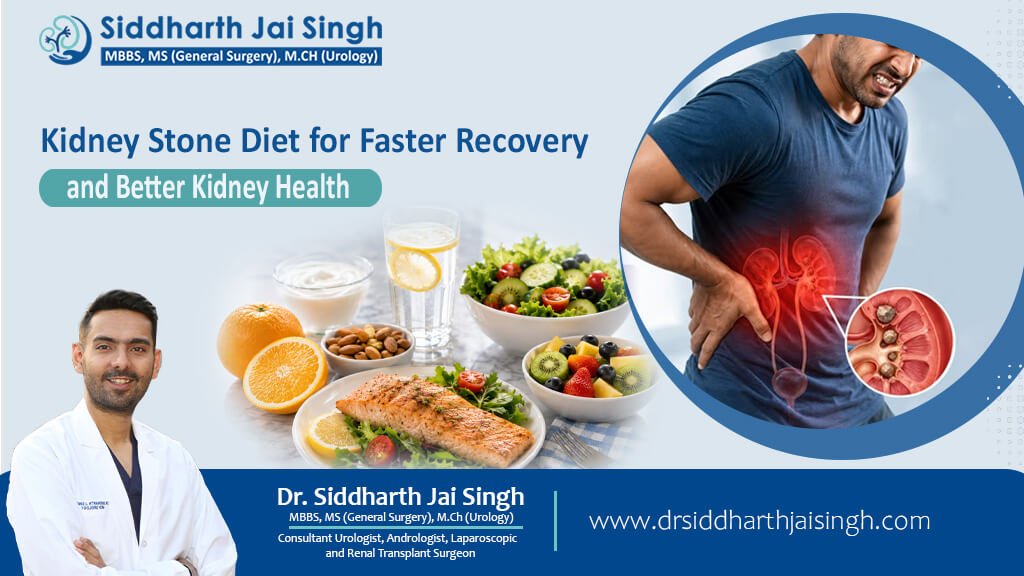
Kidney Stone Diet for Faster Recovery and Better Kidney Health
Kidney Stone Diet for Faster Recovery and Better Kidney Health Getting rid of kidney stones is an extremely painful experience and if you have had one kidney stone attack, you undoubtedly do not want to go through it again. Unfortunately, kidney stone formation tends to have a very high recurrence rate with most patients suffering from the problem once again over five to ten years. While the bad news is that kidney stones are recurrent and painful, there is some good news as well: diet is found to play a major role in determining whether you will get another kidney stone or not. A well-designed kidney stone diet can enhance the treatment effectiveness and lower the risk of kidney stone formation. In this article, we will explain what foods to eat, what to avoid, how to create a correct kidney stone diet plan, and how to maintain it for a prolonged period of time. Understanding Kidney Stones Before You Fix Your Diet Kidney stones are solid masses that develop, when minerals and salts within urine solidify instead of flowing outside naturally. Not all kidney stones are alike, so it is necessary to adjust your diet according to the type of a kidney stone you have. The most common types of kidney stones are as follows: Calcium oxalate stones – the most abundant type that develops when oxalate combines with calcium; Calcium phosphate stones – often caused by pH imbalance; Uric acid stones – associated with high consumption of products containing purines; Struvite and cystine stones – two types that are rare and usually appear due to diseases or hereditary problems. The preliminary stage is to have a stone analysis and urinalysis performed before making diet changes. Why Diet Matters So Much in Kidney Stone Recovery Every day, your kidneys remove waste products and excess minerals from your bloodstream. If your diet contains a lot of sodium, animal protein, sugar, or oxalate foods, you may end up with urine rich in stones. This condition increases the chances for new crystals to appear. Proper kidney stone recovery diet works as follows: Dilutes the urine to prevent minerals from crystallizing. Balances the intake of calcium and oxalate to enable binding in the gut. Reduces the intake of sodium and animal protein that results in increased calcium excretion. Maintains appropriate pH in the urine depending on the type of kidney stone you have. Hydration: The Single Most Important Habit Without a doubt, water is the most critical element in any kidney stone diet. Drinking enough water is not only one of the easiest ways to stop the creation of kidney stones but also the most effective way to ensure that your urine is able to dilute minerals and prevent clumping of such minerals. Practical tips: Try to drink at least 2.5 to three liters of liquid a day or more if you sweat or exercise often. Your urine should be pale yellow. Dark urine is a sign that something is wrong. Use fresh lemon water, as lemon juice helps discourage the formation of kidney stones. Limit soft drinks, bottled juices, and excessive consumption of tea and coffee; do this especially while recovering. Foods to Eat for Better Kidney Health 1. Foods High in Calcium Some people choose to remove all calcium from their diets after discovering they have kidney stones; however, this will rarely help. Calcium present in food such as milk, yogurt, and low-fat dairy products binds with oxalic acid in the digestive system before reaching the kidneys, thus reducing the risk of stone formation. 2. Different Types of Citrus Fruits Citrus fruits such as lemons, limes, and oranges are a natural source of citrate, which prevents calcium from binding in the kidneys with oxalic acid and uric acid. 3. Vegetables and Fruits Including plenty of fruits and vegetables in one’s diet helps maintain a balanced urinary pH and provides the necessary amount of fiber, potassium, and antioxidants for good kidney health. 4. Plant-based proteins Replacing some of your red meat and chicken with lentils, beans, or chickpeas can help lessen the burden on your kidneys and decrease your uric acid production which is advantageous if you are prone to uric acid stones. 5. Whole grains Whole grains are good for digestion and metabolism, which makes them a perfect substitute for refined carbohydrates found in processed foods that are high in sodium. Foods and Habits to Limit or Avoid 1. Foods with High Oxalates Things such as beet, chocolate, spinach, and many types of nuts have high oxalate content. When avoiding calcium oxalate stones, completely cutting them out is not necessary; rather, controlling the amount of such foods means that they can still be consumed, combined with calcium while eating. 2. Excess Salt Intake Excess sodium means that more calcium is being eliminated through urine by kidneys; thus stones can be formed. One should also be especially cautious of hidden salt in packaged and prepared food. 3. High Levels of Animal Protein Heavy consumption of red meat, seafood, and organ meat results in a rise of excreting uric acid from the body and calcium stones. Very often moderation is enough to deal with this issue, instead of cutting these foods out completely. 4. Sweet Foods and Sweets People who consume a lot of sugary foods are at a higher risk of getting stones. 5. Alcohol and Caffeine Both cause dehydration and might contradict the essence of a kidney stone diet. A Sample Day on a Kidney-Friendly Diet Morning: A glass of warm water with lemon juice and a bowl of oats topped with fruits Mid-morning: A glass of plain buttermilk or low-fat yogurt Lunch: Dal, vegetable curry, whole wheat roti or rice, and a small bowl of plain yogurt Evening: Another serving of fresh fruits or a handful of soaked almonds Dinner: Grilled fish or lentils with steamed vegetables During the day: Drink water often and not just when you feel thirsty. This is a broad plan for everybody
Kidney Stone Diet for Faster Recovery and Better Kidney Health Read More »